



“The Alabama Solution”
(USA)
Metacritic (8/10), Letterboxd (4/5), Imdb.com (8/10), TMDB.com (8/10), Imdb critics review
#BrentMarchant #TheAlabamaSolution #documentary #HBO #prisonbrutality #prisonreform #incarceratiion #retaliation #AlabamaDepartmentofCorrections #rehabilitation
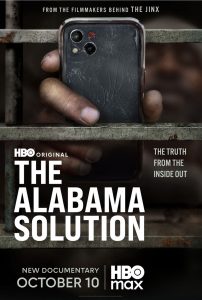
When it comes to questions of crime and punishment, opinions vary widely, depending on one’s sensibilities and personal point of view, and we’re all entitled to our respective opinions. And most would probably agree that wrongdoers should indeed pay the price for their transgressions. But does that give authorities charged with the responsibility of meting out justice the right to essentially do whatever they want in handling the treatment of these perpetrators? What’s worse, is it at all acceptable to approach the management of inmates as a de facto form of often-lifelong, legally sanctioned enslavement, one characterized by inhumane treatment, deplorable living conditions, endless personal indignities, and mechanisms for producing lucrative windfalls for the state and/or a privileged few? And what about the promises of rehabilitation – do they have any realistic chance of being acted upon, or are they mere lip service? Those are among the disturbing questions raised in this alarming, revelatory HBO documentary about life in the 14 statewide facilities operated by the Alabama Department of Corrections, an agency whose name falls far short of living up to its allegedly stated intent. This superb but troubling offering from writer-directors Andrew Jarecki and Charlotte Kaufman tells the stories of a number of Alabama prisoners (zealously backed by their families) who courageously undertook a project to record the appalling way of life inside their facilities using contraband cell phones (devices that, in most cases, were, ironically, clandestinely smuggled into these institutions and sold to inmates by prison guards seeking to line their own pockets). The findings of these intrepid videographers reveal an ongoing program of unspeakable beatings by overworked, rage-filled, out-of-control staff members, often relentlessly conducted under filthy, hellish circumstances and prompted by assorted personal vendettas or the fulfillment of official policy aims. This is particularly true for squelching the disclosure of the foregoing atrocities and engaging in reprehensible, unsupervised acts of retaliation, nearly all of which have gone (and continue to go) unaddressed and/or unpunished by prison authorities. Inmates who participated in this undertaking bravely placed their well-being – and even their lives – at risk by doing so, all in hopes that they could get the word out to an uninformed public, given that journalists are prohibited from visiting these facilities. They also hoped to compile evidence of the ongoing barbarity as a means to encourage the US Department of Justice to investigate and possibly take over the management of the ADOC. But, despite attempts by the federal government to get involved, the state stubbornly and arrogantly pushed back, insisting that this was an Alabama problem that called for an “Alabama solution.” But this inflexible, unproductive posture, in turn, led to a remarkably well-coordinated effort by inmates across the state to fight back, an initiative that employed creative methods of protest never before seen in prisons in Alabama or elsewhere. “The Alabama Solution” is thus one of those watershed films that unflinchingly illustrates how low humanity can sink in inflicting horrific treatment on others, even those who have a debt to pay to society and, consequently, have been imprisoned for their self-acknowledged transgressions. But coping with such unacceptable conditions has placed unbearable strains on the incarcerated, prompting Alabama to lead the nation in prison deaths, suicides and overdoses, as well as one of the country’s lowest parole approval rates. And, sadly, this release also makes it abundantly clear that Alabama is not the only state where such conditions are present, a revelation that has come to light in part through the efforts of Alabama prisoners who have been networking with fellow inmates elsewhere. Admittedly, this Oscar nominee for best documentary feature can be a difficult watch at times (sensitive viewers take note). Indeed, just when one thinks that things can’t possibly get any worse, there are invariably new disclosures that maddeningly surpass what preceded them. However, this offering makes readily apparent what everyone who lives in a purported civilized society should know – and not be willing to tolerate.