



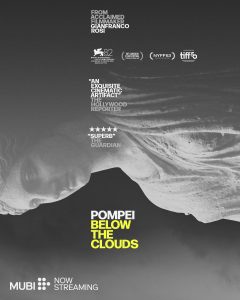
“Pompei: Below the Clouds” (“Sotto le nuvole”)
(Italy)
Metacritic (4/10), Letterboxd (2/5), Imdb.com (4/10), TMDB.com (4/10), Imdb critics review
#BrentMarchant #PompeiBelowtheClouds #Italy #Naples #Vesuvius #documentary #volcano #endtimes
Fewer cinematic experiences are more frustrating than movies that fail to live up to expectations. And, regrettably, such is the case with this latest documentary from writer-director Gianfranco Rosi. While the title and billing for this release lead one to believe that it’s a film about the ancient Roman city of Pompeii and the volcanic catastrophe that destroyed it, there’s surprisingly little in this title addressing those subjects squarely on point. Rather, it’s more of a minimalist cinematic essay that would be more aptly titled “A Day in the Life of Naples” (the metropolis neighboring the destroyed city), with end times underpinnings whose elements frequently go underexplained. Admittedly, “Below the Clouds” makes an effort (albeit somewhat underwhelmingly) to address the looming threat posed by Mt. Vesuius, the monster volcano that obliterated Pompeii and that carries the potential to do the same to its vulnerable neighbor again today, but this is largely done in passing, almost as if the picture is downplaying the significant danger lurking not far away. Similarly, the film’s handling of what happened to Pompeii is somewhat underplayed, told largely through the eyes of investigators looking into the theft of antiquities stolen from buried volcanic tombs and the work of a team of Japanese archaeologists seeking to uncover hidden gems from the lost city’s past. Instead, greater emphasis is placed on comparatively irrelevant footage about everyday contemporary Neapolitan life, including stories of a Syrian freighter crew delivering Ukrainian grain to Naples, an antique store owner who runs an after-school study hall for grade school students and the emergency dispatchers manning the call center of the fire rescue service. However, the relevance of these narrative threads often seems tangential at best, trying to somehow tie them (and not especially successfully) to the aforementioned end times scenario. This ill-considered aim is furthered by various overwrought cinematic elements, such as clearly gorgeous but questionably chosen black-and-white cinematography and dialogue that sounds more “written” than spoken, devices that come across, frankly, as somewhat pretentious and off the mark in light of the subject matter. To its credit, “Below the Clouds” does a fine job in exploring how Naples has throughout history been a cross-roads locale richly influenced by an array of diverse cultures, much of which was lost in Pompeii’s destruction and the recent thievery of antiquities, a narrative thread that adds to the undercurrent of progressive decline that runs through the picture’s overall character. But that’s small comfort in the face of this offering’s other more prevalent shortcomings. While I’m certainly all in favor of pushing the envelope artistically, the attempt here to produce something cinematically poetic seems decidedly overdone, resulting in a tedious mélange of disjointed, unfocused themes and imagery that ultimately do more to bewilder viewers than to clarify the film designated intent.