



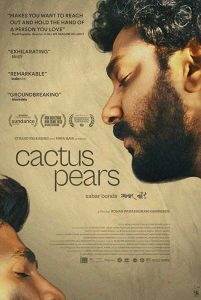
“Cactus Pears” (“Sabar Bonda”)
(India/UK/Canada)
Metacritic (7/10), Letterboxd (3.5/5), Imdb.com (7/10), TMDB.com (7/10), Imdb critics review
#BrentMarchant #CactusPears #LGBTQ #gayromance #samesexcouple #India #Mumbai #religioustraditions #funeralrituals
When you know something is “right” for you, it’s difficult to deny it, even when faced with societal pressures to the contrary. It’s a circumstance that same-sex couples in particular have been well acquainted with for a long time. And, even though prevailing conditions have significantly improved in many quarters in recent years, there are still some notably conservative locales where freely living one’s truth can be exceedingly challenging. Which is why it’s truly groundbreaking when a film from one of those conventionally minded enclaves comes along to shake up the status quo and leave a lasting impact. Such is the case for the debut feature from writer-director Rohan Kanawade, a truly pioneering work of LGBTQ+ cinema from India, a culture not particularly known for its open-mindedness when it comes to alternative lifestyle matters. When thirty-something Anand (Bhushaan Manoj) learns that his father (Nitin Bansode) has died, he must accompany his mother (Jayshri Jagtap) to the rural Indian village where he and they grew up for the deceased’s traditional funeral rituals. As a gay man who relocated from there to Mumbai so that he could more freely live openly, he’s apprehensive about returning to the oppressive environment he so eagerly sought to escape. In part it’s because he grew tired of the constant barrage of questions asked by the locals about when he was going to get married, inquiries that he always managed to deflect but that he knew he would have difficulty addressing this time given his age and still being a bachelor. What’s more, the funeral rites are scheduled to span 10 days, a longer duration than he wants to stay in the village, despite his earnest desire to pay proper respects to his late father. Fortunately for Anand, he had already come out to both of his parents, and they were warmly accepting of his lifestyle, so he knows that his immediate family will not pose any hardships for him in making this journey. But that loving support still will not make matters any easier in performing some of the funerary rituals, given that they are only supposed to be conducted by married children of the deceased, and his continuing single status would undoubtedly raise some eyebrows. Much to Anand’s surprise, however, upon his arrival in the village, he receives some added support – and unexpectedly open affection – from a childhood acquaintance, Balya (Suraaj Suman), a closeted but not hidden gay man who doesn’t hesitate to make his amorous feelings known for his old friend. Their situation quickly becomes one of those cases where both parties know that what they have together is “right” for them. But what’s to come of this budding romance given the many differences in their everyday lives and backgrounds? Can they make it work? In fact, are they sure they want to make the effort to make it work? And, of course, there’s the ever-present question of “What would people think?” (as if that should matter, even though it’s a consideration that can’t be readily avoided). Those well acquainted with LGBTQ+ cinema will undoubtedly find the story here “familiar,” if not even a tad clichéd. However, considering the venue in which this story is set, one can’t help but acknowledge the radical nature of the subject matter of this release, something that shouldn’t be summarily downplayed or overlooked. Moreover, viewers would be hard-pressed to ignore the heartfelt emotions and genuine tenderness depicted in this couple’s saga, reminiscent of what’s found in films like the Academy Award-winning “Moonlight” (2016). Admittedly, there are some pacing issues at times, primarily due to the inclusion of some extraneous material that could have been easily edited. Nevertheless, “Cactus Pears” is one of the finer works of LGBTQ+ cinema to have come along in some time, even if the narrative isn’t especially original by the genre’s standards. It’s heartening to watch an involving romance like the one on display in this offering, something that we can always use more of on the big screen.