



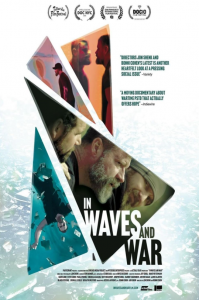
“In Waves and War”
(USA)
Metacritic (7/10), Letterboxd (3.5/5), Imdb.com (7/10), TMDB.com (7/10), Imdb.com critics review
#BrentMarchant #InWavesandWar #NavySEALs #psychedelicdrugtherapy #PTSD #veteransuicides #Afghanistan #Iraq #trauma #documentary #ibogaine #5MeODMT
The stresses of combat are virtually impossible to fathom. It’s any wonder how anyone could somehow survive such trying conditions. That’s especially true for those assigned to special forces units, the soldiers who take on the particularly tough missions, such as the members of the Navy SEALs. Considering what they go through, given their high-risk operations and multiple war zone deployments, it’s no surprise that they suffer the debilitating effects of conditions like PTSD and wrestle with issues like uncontrollable rage, memory loss and suicidal thoughts. And, to make matters worse, many of the treatments they have been given upon returning home are often ineffective (sometimes even making things worse). However, as this revealing documentary from directors Bonni Cohen and Jon Shenk shows, there’s much hope for these veterans from a new – and unexpected – therapy: psychedelic drug treatment. The film follows the experience of three SEAL team members (Marcus Capone, DJ Shipley, Matty Roberts) who came back from multiple tours of duty in Afghanistan and Iraq seriously in need of help. With nothing left to lose, they decided to give this radical new treatment a shot. The program employs the administration of two substances: ibogaine, a bark derivative from the African iboga plant, and 5-MeO-DMT, a secretion from the exterior of the Sonoran Desert toad. Both hallucinogens are illegal in the US, so patients need to travel to Mexico to partake of the treatment. Much to the skeptical soldiers’ astonishment, however, they experienced miraculous relief from these remedies, which, though psychedelic in nature, are rooted in the folk medicine of indigenous peoples. The after-effects of their combat duty virtually disappeared after their initial drug treatments, in large part because the substances opened up their consciousness and revealed aspects of their inner selves that drove the development of their symptoms, conditions that had long been hidden and actually arose from personal experiences that occurred prior to their military service. While their wartime ordeals undeniably had an impact on them, they effectively masked the root cause; it was actually the underlying trauma that occurred previously that was responsible for their challenges, insights that might not have been revealed were it not for the therapy with psychedelics. In that sense, then, this treatment represents not only a potential breakthrough for distressed soldiers returning from war, but also possibly for anyone seeking to recover from other kinds of long-buried trauma as well. This is a truly remarkable story with the potential to provide much-needed relief for many. However, it’s somewhat disappointing that the film doesn’t always do the best job of imparting this information. For example, the picture comes up a little short on connecting the various dots involved in this narrative. In addition, it could use more background on the particulars of how the substances function and on the work of the researchers who developed, tested and administered the treatment in the first place. What’s more, with all due respect to the patients and their service, their wartime recollections could use some paring back in favor of other aspects of the story that could use more attention. To its credit, though, “In Waves and War” is a truly cathartic, heartfelt journey, made all the more authentic by its raw emotion, revelatory insights and joyful experience of recovery, all expressed through uncensored interviews and coupled with treatment depictions illustrated through inventive animation. It’s heartbreaking but also heartwarming to witness what these heroes endured, but who also managed to find a way to come back from this turmoil, both on the battlefield and off.