



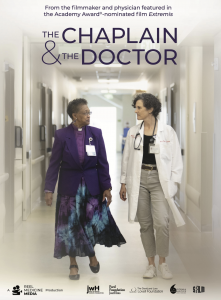
“The Chaplain & the Doctor”
(USA)
Letterboxd (3.5/5), Imdb.com (7/10), TMDB.com (7/10), Imdb critics review
#BrentMarchant #TheChaplainandtheDoctor #documentary #HighlandHospital #Oakland #palliativecare #holistichealing #endoflifecare
With the failings of modern health care increasingly coming under scrutiny and criticism these days, a growing chorus of advocates has begun to emerge calling for better ways in treating patients, especially those struggling with severe, chronic illnesses. Those afflicted with these debilitating conditions often face not only physical challenges, but also emotional ordeals and an array of frustrations when it comes to managing the logistics of everyday living, both for patients, as well as their loved ones and dependents. But how can these diverse considerations be effectively addressed? That’s where a team-based approach comes into play, the kind examined in this documentary feature from filmmaker/practicing physician Jessica Zitter. As a member of the palliative care program at Oakland’s Highland Hospital, Dr. Zitter has paired up with Chaplain Betty Clark to address the diverse needs of patients suffering from conditions like cancer, pulmonary illnesses, cardiovascular disorders and other chronic conditions that leave them challenged to care for themselves, their families and their everyday lives. While some of these patients are in end of life care, others have hopeful prospects for long-term disease management and treatment, despite having many related considerations requiring attention. And that’s where this dynamic duo steps in, with Chaplain Betty providing spiritual and emotional comfort and Dr. Jessica covering the medical aspects of patient care but with a compassionate approach often lacking among many health care practitioners. Together, this unlikely pair – an African-American descendant of slaves and a Canadian-born Jewish physician from a family of traditional, no-nonsense medical professionals – has brought this new approach to health care for over a decade, giving their patients comfort, guidance and support aimed at alleviating pain and suffering as much as possible while undergoing treatment, as illustrated through a number of patient case studies. The film profiles their fierce devotion to their work, particularly their efforts aimed at overcoming shortcomings in areas like erroneous diagnostic assumptions, undue social and cultural prejudices, a lack of bedside manner, and failures in addressing considerations beyond health-related matters. The picture also explores some of the personal challenges faced by the two protagonists, both from their respective pasts and in their current lives, providing a balanced look at the demands that often accompany this kind of professional commitment. However, despite the thoroughness employed in these foregoing areas, this offering is a little thin on the nature of palliative care, namely, the principles, protocols and practices involved, how this form of health care emerged, how widespread it is today, how patients can find access to it, and so forth. More detail in these areas would have made for a stronger narrative, providing a foundational backdrop for those at the forefront of this story. What’s most important here, though, is the film’s ability to show that there are better options open to patients requiring health care, especially for the kinds of conditions depicted here. In fact, as Chaplain Betty astutely observes at one point, it’s the kind of health care that we should all be willing to speak up about and demand for ourselves, if for no other reason than the fact that we deserve it.