



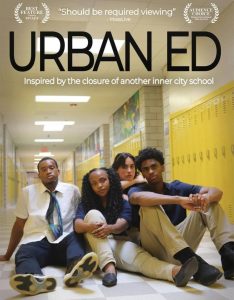
“Urban Ed”
(USA)
Letterboxd (4/5), TMDB.com (8/10), Imdb critics review
#BrentMarchant #UrbanEd #innercitycharterschool #SpringfieldMassachusetts #WadeWofford #independentandarthousecinema #shoestringbudget #minority #nonactor #miscreant #thug #SpringfieldHighSchool #collegeplacement #AudienceChoiceAward #BostonInternationalFilmFestival #frustration #streamingoption
As readers of my work are probably aware, I’m a huge fan of independent and arthouse cinema. But, despite my passion for these releases, I must also admit to a nagging undercurrent of skepticism, wondering if their creators are up to the task of producing truly quality work, especially when faced with the constraints of shoestring budgets and logistical challenges. However, it pleases me to no end when a film comes along that finds a way to successfully overcome these ordeals and knock it out of the park. Thankfully, this release from actor-writer-director Wade Wofford and producer Jon Stahl is clearly one of those offerings. “Urban Ed” tells the story of an inner city charter school in Springfield, Massachusetts that’s closed down in the middle of the school year due to financial issues, leaving its students scrambling to find suitable new educational outlets where few such institutions exist. Based on a true story but told primarily through the experiences of four fictional, mostly minority characters, this feisty, often-gritty title explores the issues they undergo in daily life and how much more difficult they become to deal with when the one thing they have going for them – their school – is summarily taken away. And, regrettably, this is a scenario that occurs more often than many of us ever hear about (out of sight, out of mind…). Audiences witness this dilemma firsthand through the stories of Aryana (Kayla Staley, a non-actor from Springfield High School in her feature film debut), her boyfriend, D’Avante (Ace Small), and their friends Beans (Dalen Davis) and Olivia (Keaton McLachlan), all of whom come from households beset by their own respective domestic challenges. As the picture so eloquently illustrates, when their school closes, they lose more than just their high school education; they also lose a closely knit family of scholastic peers, committed educators and concerned administrators, finding themselves transplanted to classrooms filled with undisciplined miscreants and gangs of unruly thugs. This frustration is often amplified when troubles at home rear their ugly and intrusive heads. Even their futures are affected, as plum college placement opportunities begin to dry up when recruiters explain that their high school records at their new institutions likely won’t be taken seriously. Clearly, this is a story that desperately needs to be told, and this release makes the most of the opportunity, earning a reputation with which viewers apparently agree, as evidenced by its Audience Choice Award at the Boston International Film Festival. The film’s taut screenplay, superbly constructed narrative and economical pacing tell a bold, compelling story, one that might easily have been “sanitized” or bungled if left in less skillful hands. Moreover, the picture’s excellent ensemble brings it all to life in a way that’s authentic and never forced. I’d like to think that this title would also make fine fodder for a documentary on this subject, spotlighting not only the school in question here, but also the issue at large. “Urban Ed” is indeed one streaming option that deserves attention and an audience in hopes that stories like this become a thing of the past before it’s too late for all of us and our progeny.