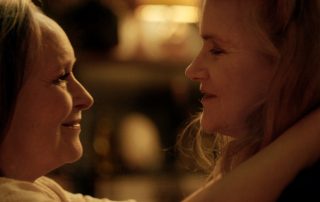




‘Eleanor the Great’ wrestles with the merits of ‘the good lie’
We’ve all been taught the wisdom behind the notion of “honesty is the best policy.” It’s sound, solid guidance that’s nearly always appropriate (provided it’s not carried to an unhealthy extreme). But what about the opposite of this advice: Is there ever any benefit in a falsehood, the so-called “good lie?” At first glance, it might be easy to dismiss this idea out of hand, but what if something less than truthful is capable of imparting insight, inspiration or comfort to someone in distress? In cases like that, can it realistically be summarily rejected?